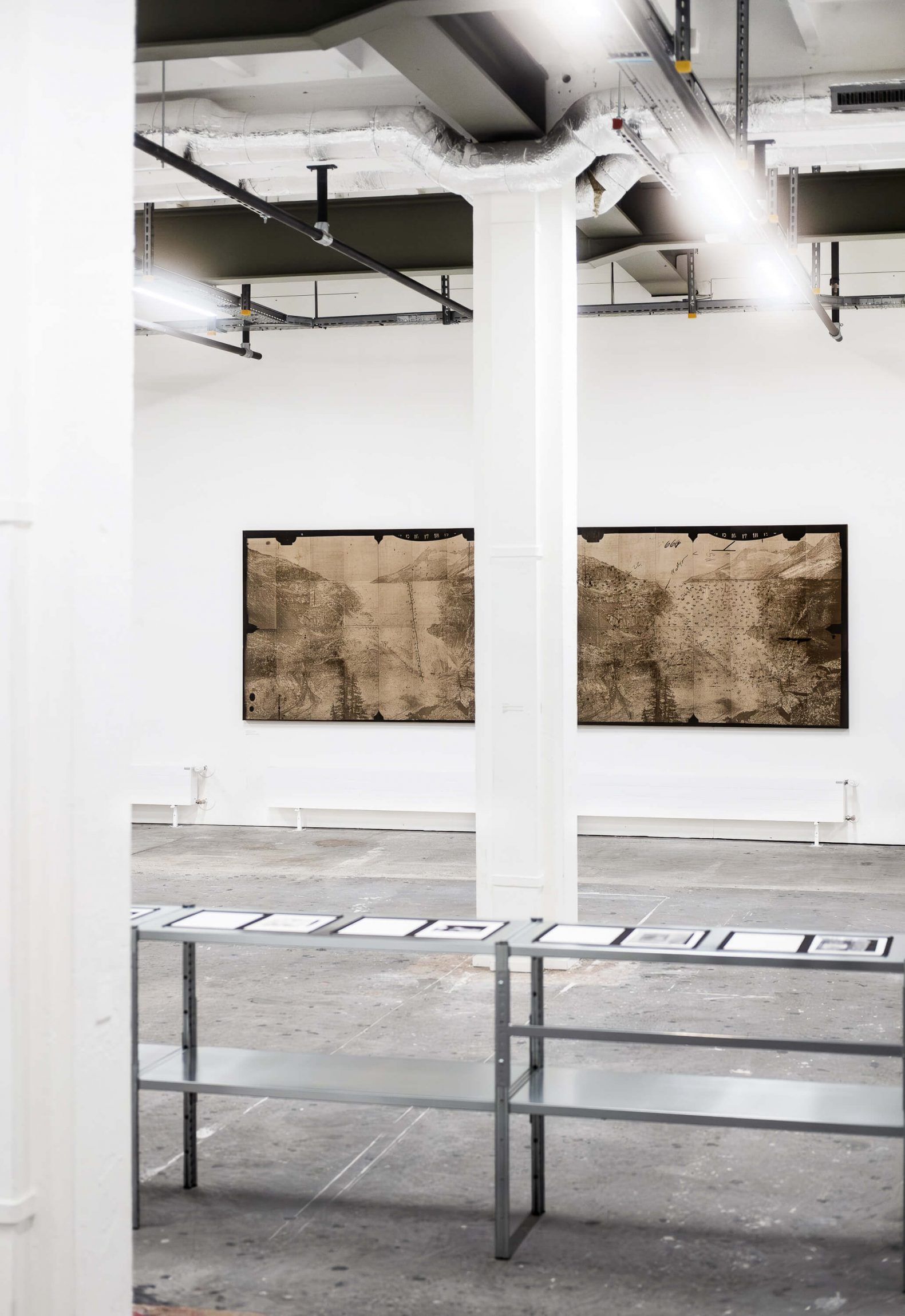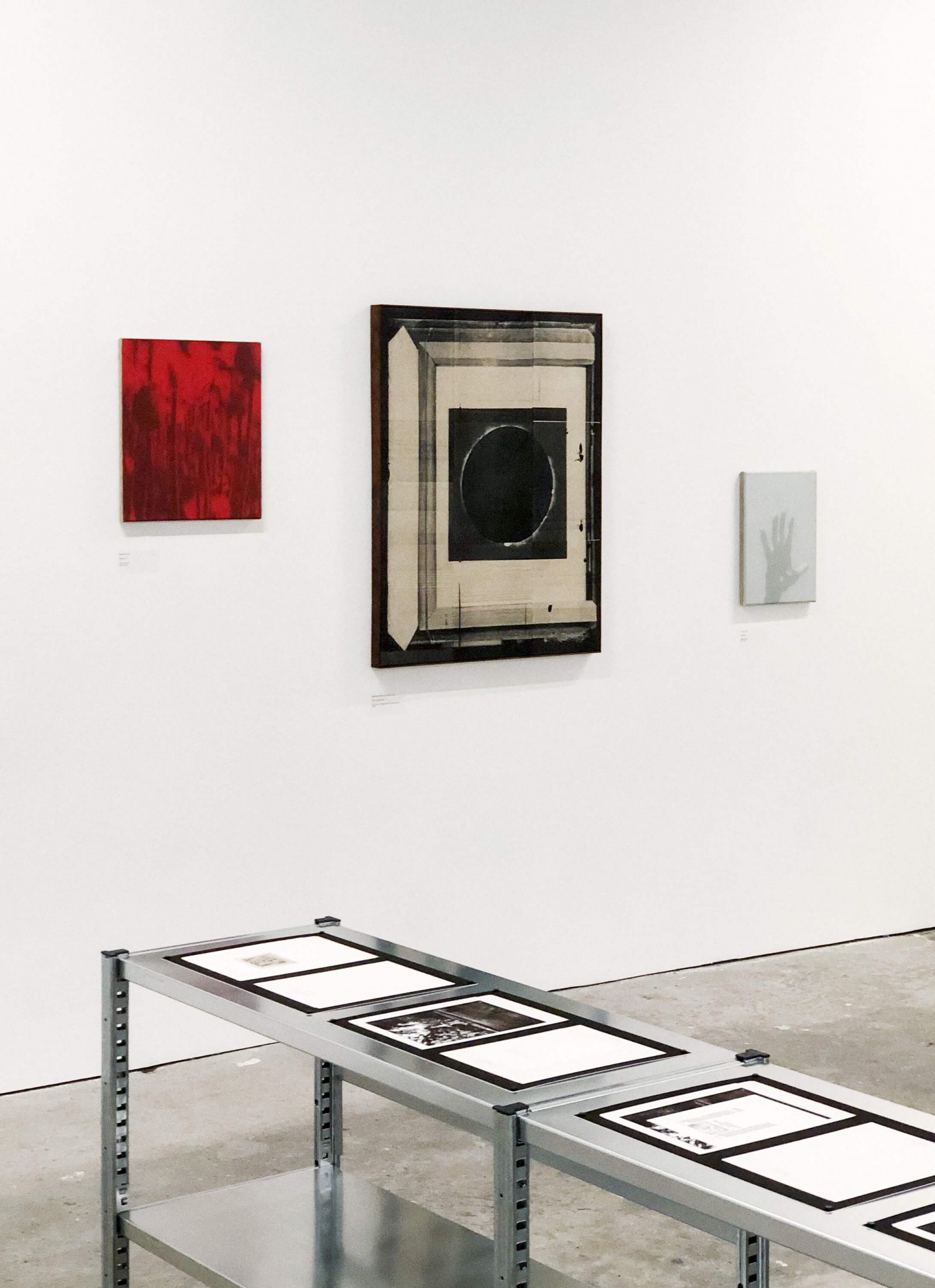
Magdalena Wysocka and Claudio Pogo are among sixteen artists exhibited in The Shudder Palace, a group exhibition at the Centre de la Photographie Genevé

Le Commun • until 8 July, 2026
The Shudder Palace, curated by Danaé Panchaud, treats the photographic image not as a stable record of reality but as something fluid and unsettled, a surface onto which histories, fantasies and emotional residues continue to gather.
The duo Wysocka Pogo present four works that turn on a question central to their practice: what remains hidden beneath an image, and how does photography take part in the construction of knowledge?

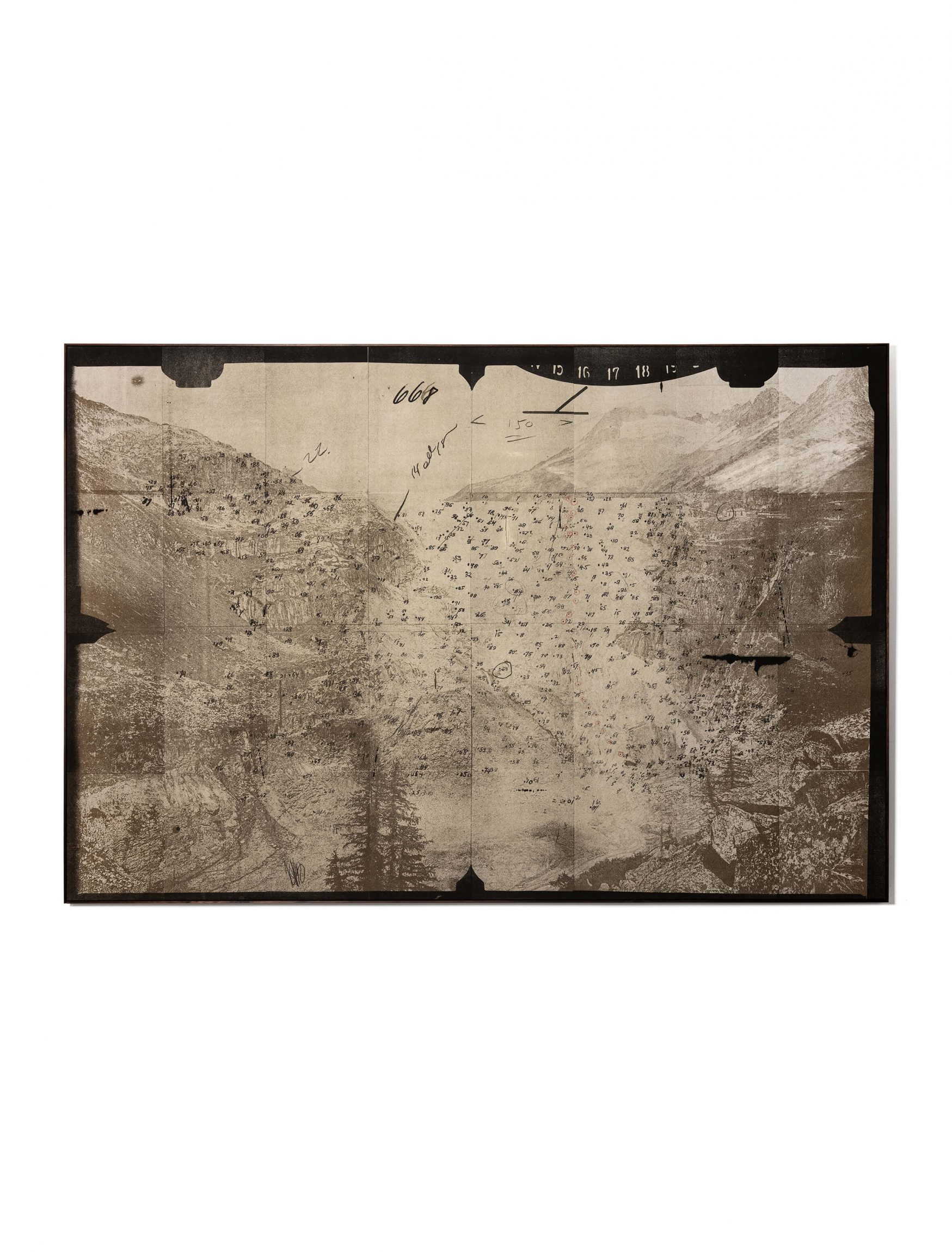
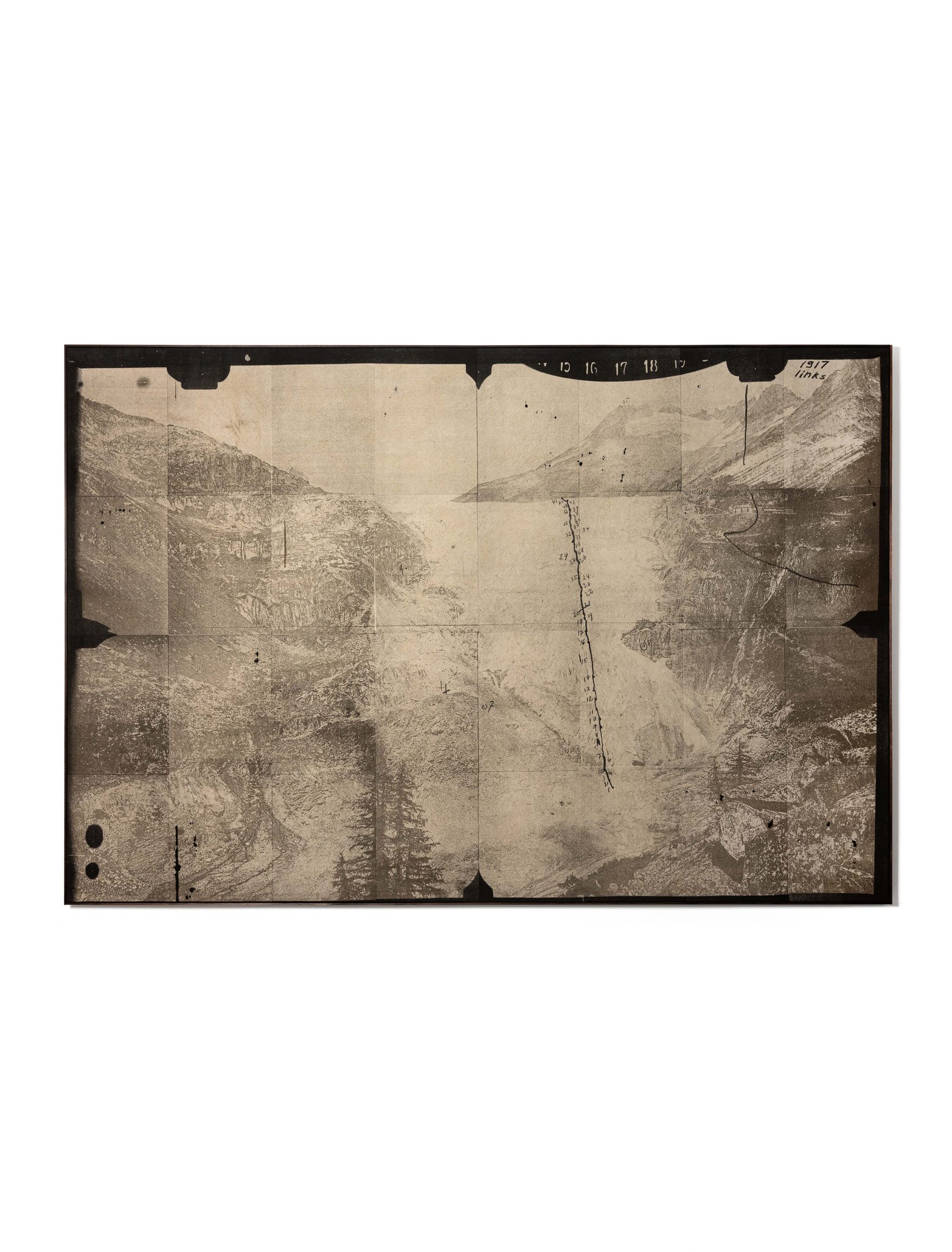
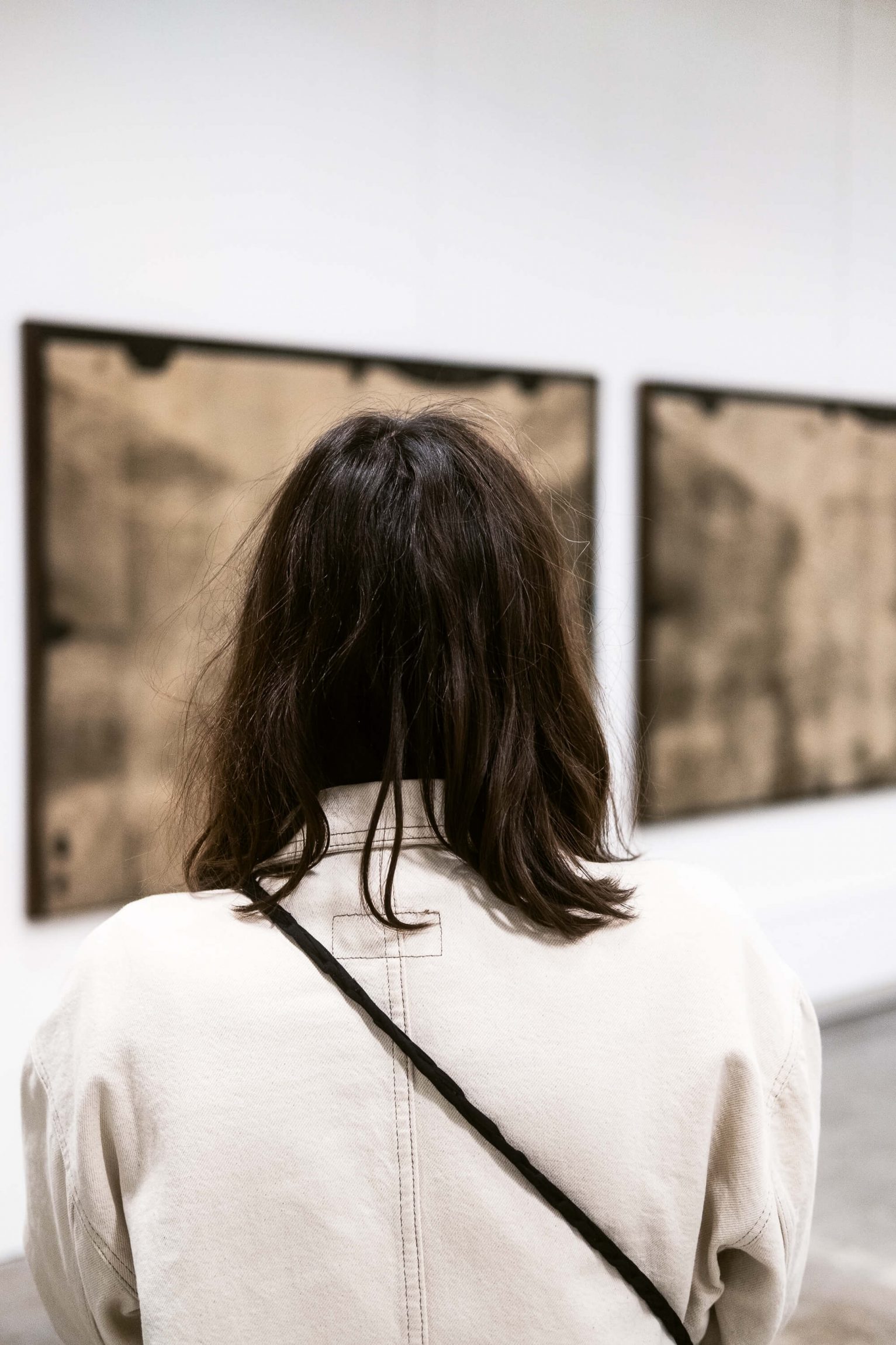
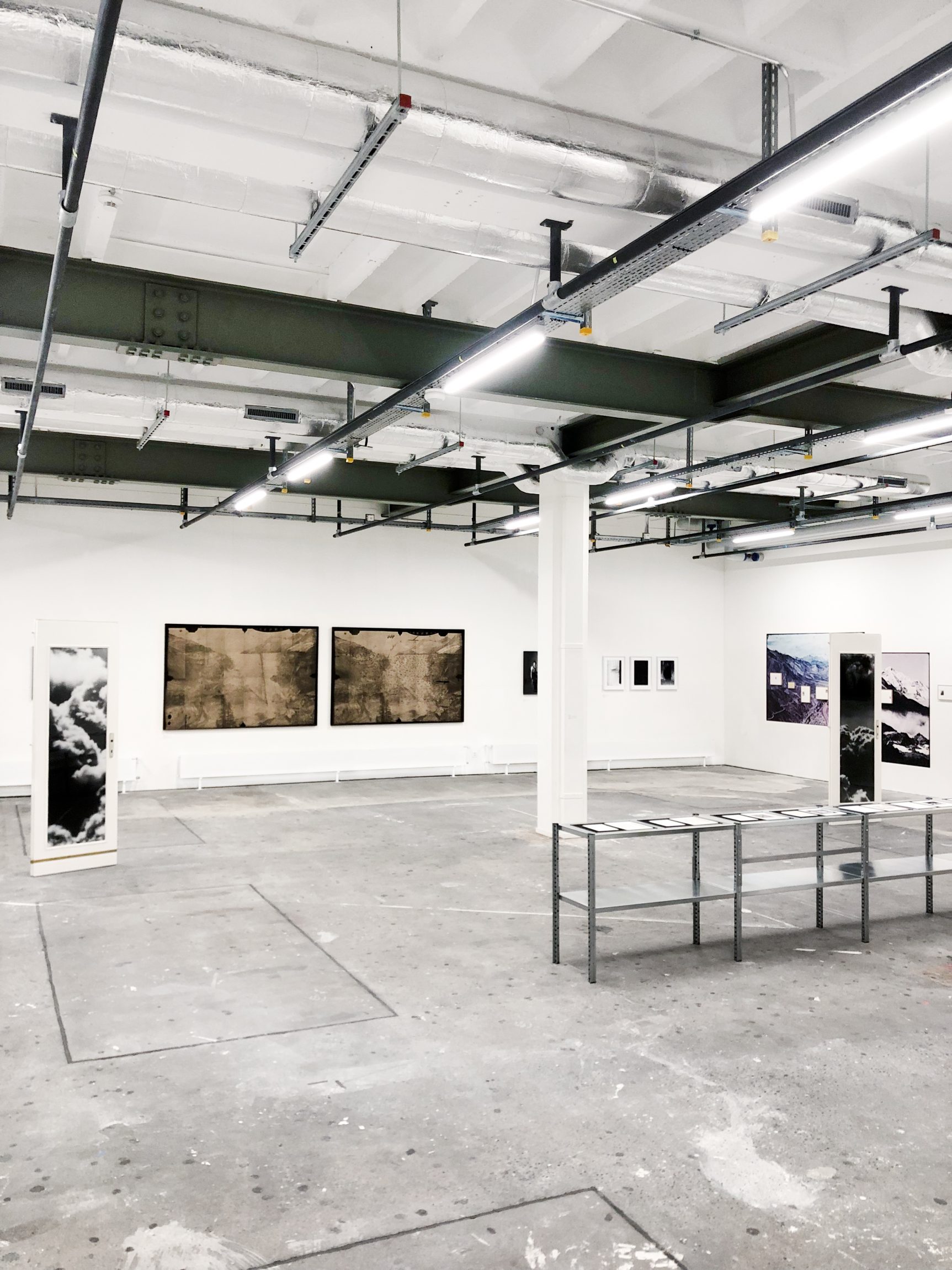
Two of these, Fortress I and Fortress II originate from the same photograph of the Rhône Glacier. At first glance, the two images appear identical. Yet both carry a different layer of markings: paths, numbers, and graphic notations that resemble a drawing-by-numbers system or an obscure code. These traces are not abstract interventions but records of a military survey undertaken by the Swiss Army in 1917. They reveal the planning and analysis of a vast fortification project within the glacier itself, a network of tunnels, bunkers and underground structures that continued to develop throughout the twentieth century and remained hidden for decades. The image becomes a document of both landscape and intention. By repeating the photograph and highlighting their “additional layers”, we are interested in how meaning emerges through accumulation, and in how photography can conceal as much as it reveals.
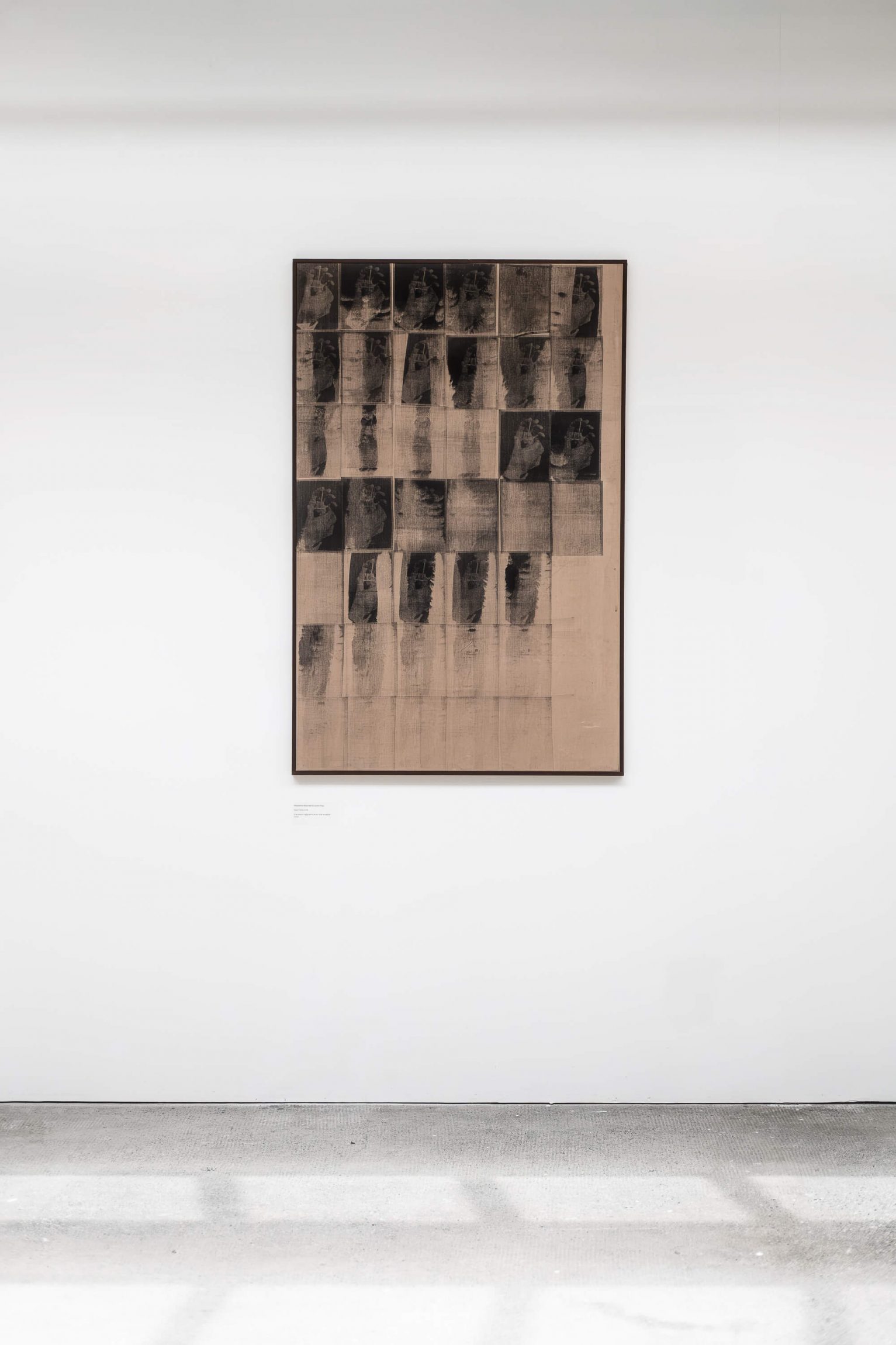
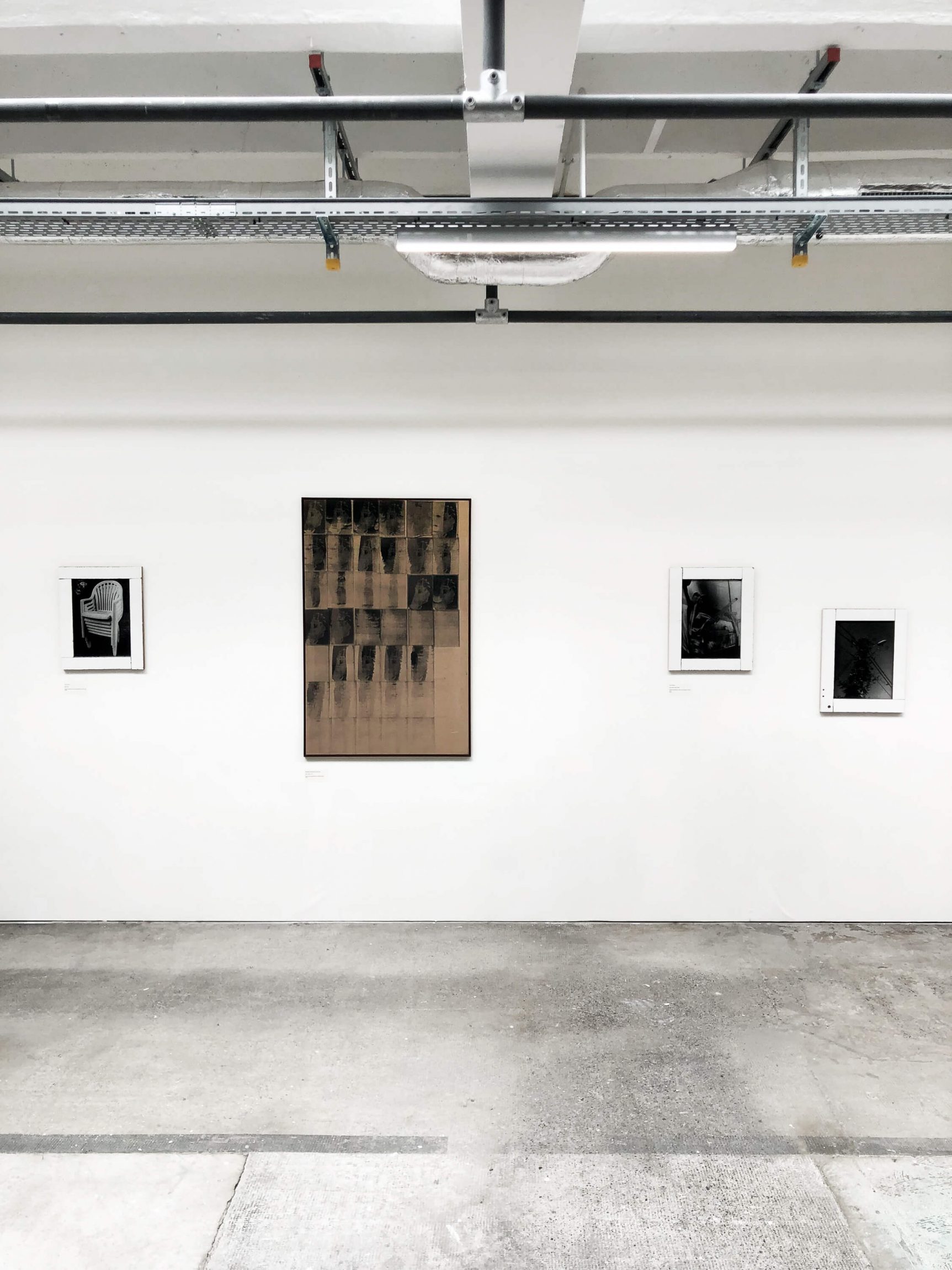
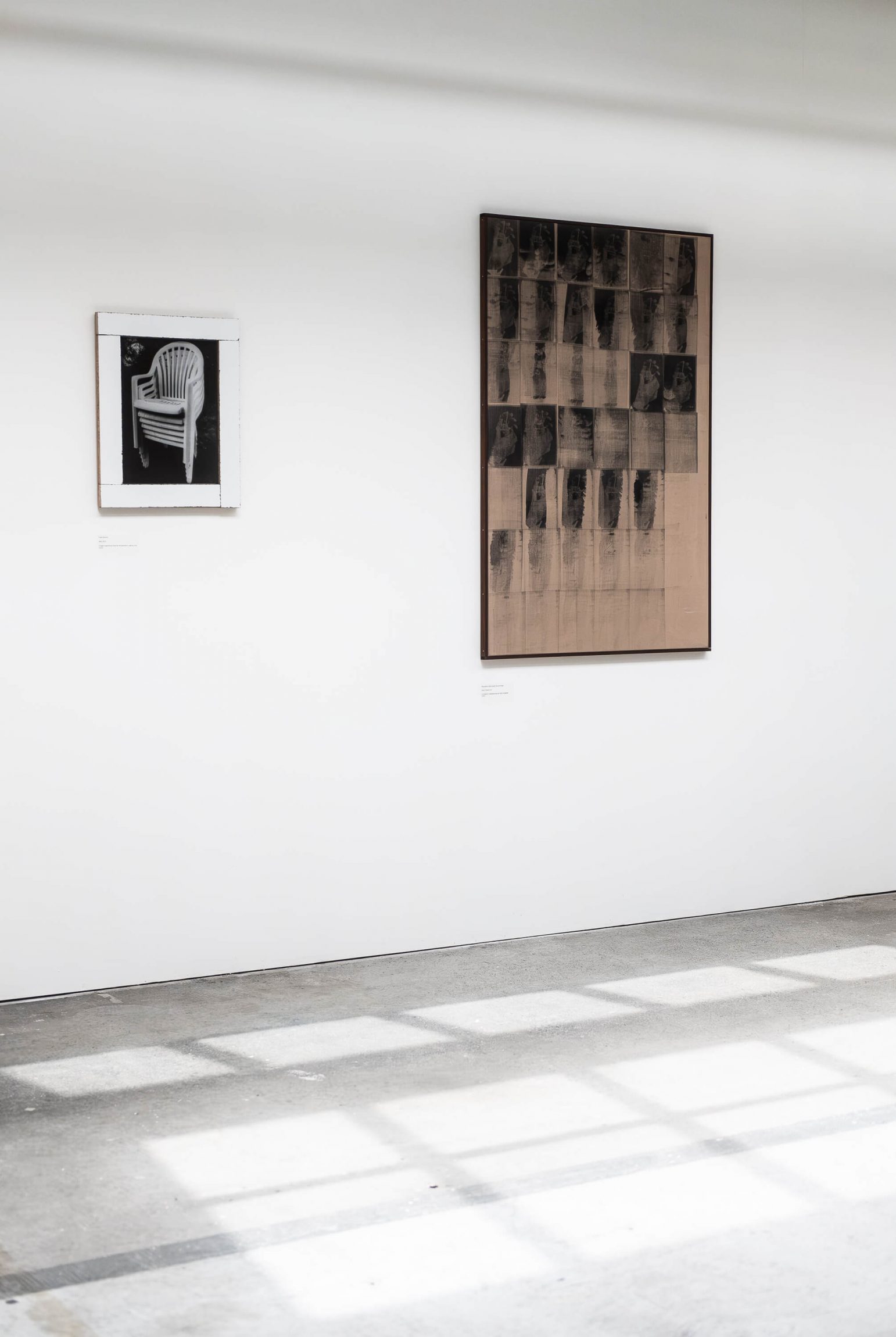
The work Habit Pattern No. 4 shows a hand holding a match. The match is an ordinary object, almost insignificant, yet a single strike can trigger consequences far beyond its scale. Read alongside the military logic embedded in Fortress I and Fortress II, it becomes a reflection on how small gestures, decisions, or acts of friction can set larger systems into motion. We are drawn to this disproportion between cause and effect, between the seemingly minor and the historically consequential.
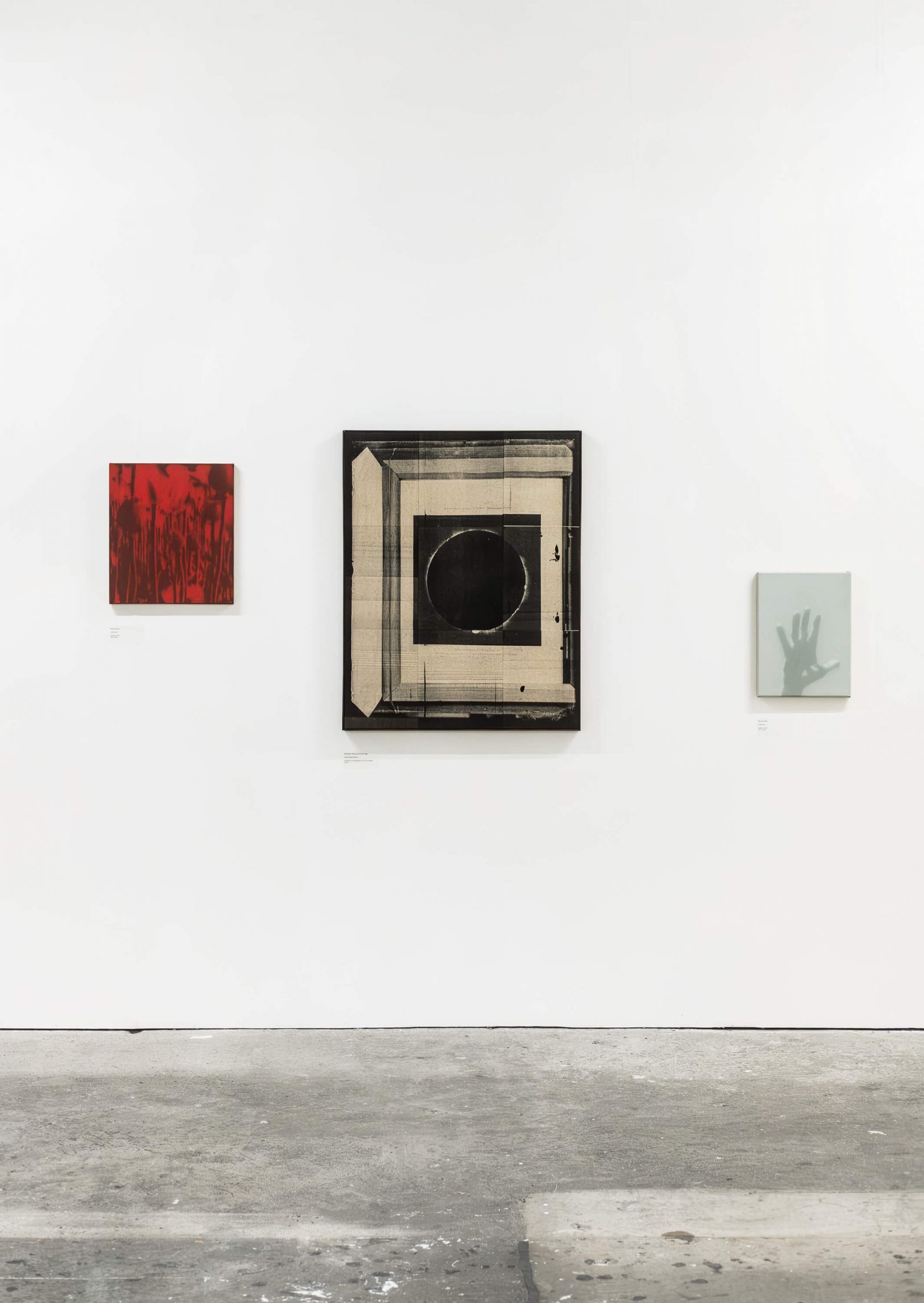
Opposite the controlled potential of the match, in the work Solar Eclipse Plate II stands a fire that exceeds all human control: the sun itself, the source on which all life depends. The image, however, is also an image of reproduction. Alongside the eclipse appears a book page held within a device designed for copying printed matter. The photograph has passed through multiple stages of mediation, reproduction, and translation. As with the glacier images, questions of authorship become unstable. Who made the image? Who owns it now? At what point does a reproduction become something else?
These questions run throughout Wysocka Pogo’s wider practice, which relies on collecting and recontextualising found images from a vast range of often obsolete sources, from personal albums to scientific, industrial and educational publications. Using unconventional printing techniques that carry a degree of unpredictability and yield tactile, sensual surfaces, the artists isolate, replicate and reassemble this material, exposing the fragility of images and their material presence in space. In losing their original context, the photographs gain a form of haunting autonomy, holding their traces while revealing loss, distance and the persistent human desire to record and understand.
“Across all three works, we return to photography not as a transparent window into the world, but as a field of traces, repetitions, and artifacts. We are interested in the hidden structures that images carry with them: systems of measurement, technologies of reproduction, military strategies, scientific observation, and the persistent human desire to record and understand. Rather than providing certainty, these images expose the scaffolding behind knowledge itself.”
— Wysocka Pogo
Below are some words from the curator, Danae Panchaud, on Wysocka Pogo’s practise:
The practice of artist duo Magdalena Wysocka and Claudio Pogo relies on collecting and recontextualising found images from a vast variety of often obsolete sources, ranging from personal collections or albums to scientific, industrial or educational publications. This reclaimed material accumulates into layered visual constellations that resist fixed interpretation and shift the expectations of the transmission of knowledge habitual of photography into something unstable and vulnerable.
Through processes of repetition, translation, and juxtaposition, their artworks feel simultaneously intimate and disorienting. Using unconventional printing techniques that involve a degree of unpredictability and offer sensual and tactile surfaces, the artists expose the fragility of images and their material presence within space. Wysocka and Pogo impart new meanings and narratives on archival images by isolating, replicating and reassembling them, giving them a new breath of life once again.
Repetition of the same image displayed in a storyboard style highlights the image’s gradual deterioration, decontextualisation, and freezing of time. A solar eclipse could be a scientific observation made anytime in the last 150 years, or a purely symbolic or ritual image. Carefully annotated photographs of the Gotthard glacier from the first world war hints at forgotten passageways. In losing context and affixed knowledge, akin to ghosts, the photographs gain a form of haunting autonomy.
The Shudder Palace runs at Le Commun, Geneva, until 8 July 2026.
To see more from these artists, OR for all enquiries, contact:
tom@opendoors.gallery